

 Location:
 Addtime:
2025-07-10
Addtime:
2025-07-10 Clicks:446
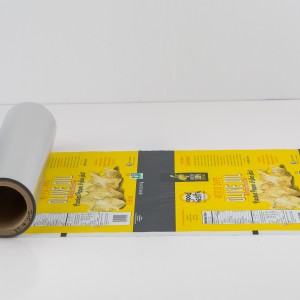
Printing films in the flexible packaging industry refer to thin film materials suitable for flexible printing processes
(such as gravure printing, flexographic printing, digital printing, etc.). They are widely used in packaging for food,
daily chemicals, pharmaceuticals, and other fields. Due to differences in material properties, various types of
printing films have distinct advantages, disadvantages, and applicable scenarios.
The following is an analysis of common types and their characteristics.
Commonly used printing film materials include: PE, PP, PET, PA, AL (aluminum foil) or VMPET/VMCPP, PVC, PLA, etc.
The selection should be based on the product's requirements for barrier properties,
temperature resistance, cost, and environmental friendliness. It is common to combine the advantages of
different films through "composite films" (such as PET/PA/PE, BOPP/vacuum metallized CPP, etc.) to balance functionality and cost.
We will discuss different printing materials in detail below. Your valuable opinions are welcome.
