

 Location:
 Addtime:
2025-08-10
Addtime:
2025-08-10 Clicks:360
Polypropylene (PP) Film
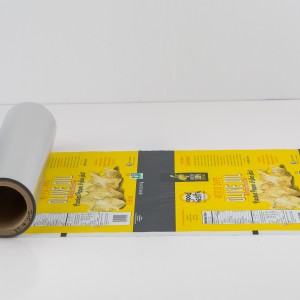
PP film is another mainstream material in flexible packaging. Common types include Biaxially Oriented Polypropylene (BOPP) and Cast Polypropylene (CPP). Among them, BOPP is more frequently used in printing layers due to its high flatness and suitability for printing.
- Advantages:
- High transparency and good gloss, resulting in vivid colors and excellent visual effects after printing; - High mechanical strength (resistant to stretching and puncturing) and good stiffness, making it suitable for high-speed printing; - Better temperature resistance than PE (BOPP can withstand around 120°C), suitable for hot filling or retort scenarios (when combined with composite processes); - Lower cost than PET, offering outstanding cost performance.
- Disadvantages: - Prone to embrittlement at low temperatures (toughness decreases below 0°C), not suitable for freezing environments; - Low surface polarity, requiring corona treatment before printing; otherwise, ink adhesion is insufficient; - Moderate barrier properties (weaker resistance to oxygen and moisture compared to PET and aluminum foil), requiring combination with other materials to enhance performance.
- Applicable Scenarios: Biscuit packaging, bread bags, stationery packaging, and some daily chemical products (e.g., shampoo sample bags).
