

 Location:
 Addtime:
2025-10-10
Addtime:
2025-10-10 Clicks:342
- **Aluminum Foil**:
A thin film made by rolling metallic aluminum, often laminated with other films (e.g., aluminum foil + PE).
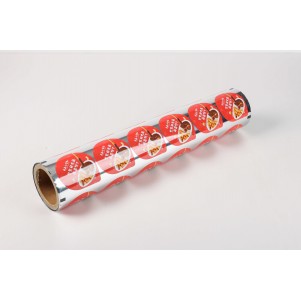
- **Metallized Films**:
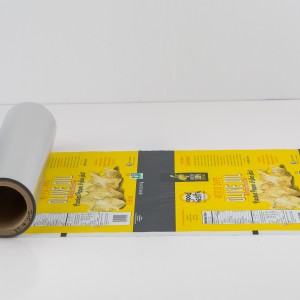
Films (such as PET or CPP) with a thin aluminum layer vacuum-deposited on their surface, forming metallized PET (VMPET), metallized CPP (VMCPP), etc.
Advantages
- **Exceptional Barrier Performance**: Almost completely blocks oxygen, moisture, and light, significantly
extending product shelf life (e.g., packaging for milk powder, coffee). - **Excellent Light Shielding**: Prevents product deterioration caused by ultraviolet rays
(e.g., packaging for pharmaceuticals, vitamins). - **Cost-Effective Metallized Films**: Metallized films are cheaper than pure aluminum foil while retaining
a certain degree of transparency (with a metallic luster), offering a strong visual texture. - **Good Ductility of Aluminum Foil**: Suitable for lamination processing.
Disadvantages
- **Poor Standalone Usability of Aluminum Foil**: Prone to wrinkling and tearing, so it must be laminated
with other films and cannot be used alone. - **Scratch-Susceptible Metallized Layer**: The aluminum layer is easy to scratch, requiring protection
during printing; otherwise, barrier performance and appearance will be affected. - **Difficult Recycling**: Separating aluminum from plastic in laminated films is costly, resulting in
relatively poor environmental friendliness. - **Higher Cost Than Ordinary Plastic Films**: Pure aluminum foil is even more expensive.
Applicable Scenarios
- Packaging for foods requiring long-term freshness (e.g., milk powder, coffee, tea); - Pharmaceutical packaging (e.g., aluminum-plastic blister packs for capsules); - Packaging for light-sensitive products (e.g., bags for cosmetic serums).
